About Math4Cardio
The primary aim of this conference is to foster an interdisciplinary dialogue among the mathematical community (researchers in mathematical modeling, mathematical analysis, numerical mathematics and scientific computing), biomedical engineers, and clinical experts (cardiac surgeons, radiologists, and cardiologists). This interdisciplinary exchange aims to formulate open topics and questions in hemodynamics, to enhance the reliability of computational tools in both physiological and artificial systems and to address critical challenges in diagnosing and quantifying cardiovascular pathologies such as aortic stenosis.
Important Dates
-
today
December 19, 2025
First announcement
-
today
February 10, 2026
Web online
-
today
March 12, 2026
Registration deadline
-
event_available
March 27 - 29, 2026
Conference
Speakers
We are excited to announce this amazing lineup for the math4cardio conference!
 Cristóbal Bertoglio
Methods for blood flow model personalization from MRI data
 Jana Brunátová
Effects of Blood Rheology and Partial Slip Boundary Conditions on Cerebral Aneurysm Hemodynamics
 Oscar Camara Rey
From large-scale in-silico trials to multi-therapeutic modeling: integrating device and drug simulations for stroke prevention
 Radomír Chabiniok
Biomechanical Modeling for Objective Assessment and Optimal Clinical Management: Patients with Valvular Heart Diseases and Complex Congenital Heart Diseases
 Patrick Farrell
Helicity- and enstrophy-preserving discretisations of the incompressible Navier—Stokes equations
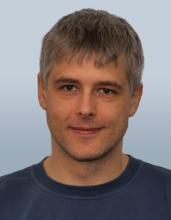 Radek Fučík
Enhancing magnetic resonance flow measurements using the lattice Boltzmann method
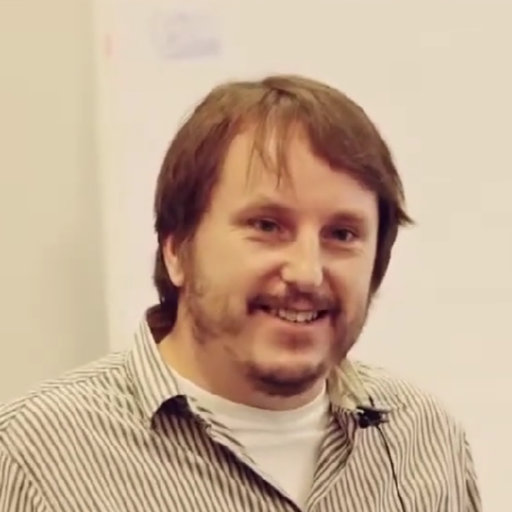 Jaroslav Hron
Evidence challenging the validity of the no-slip boundary condition: blood flow in vivo
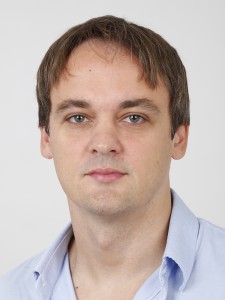 Štěpán Jeřábek
Measuring flow across the aortic valve: clinical challenges in patients with low gradient stenosis
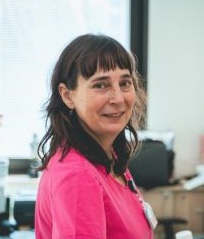 Radka Kočková
Genetic Aortopathies and Structural Abnormalities of the Aortic Valve
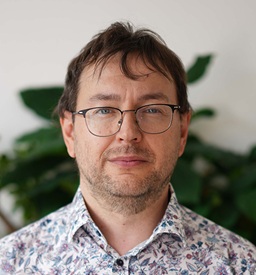 Tomáš Kovárník
Coronary flow and pressure measurements: clinical impact and technical challenges
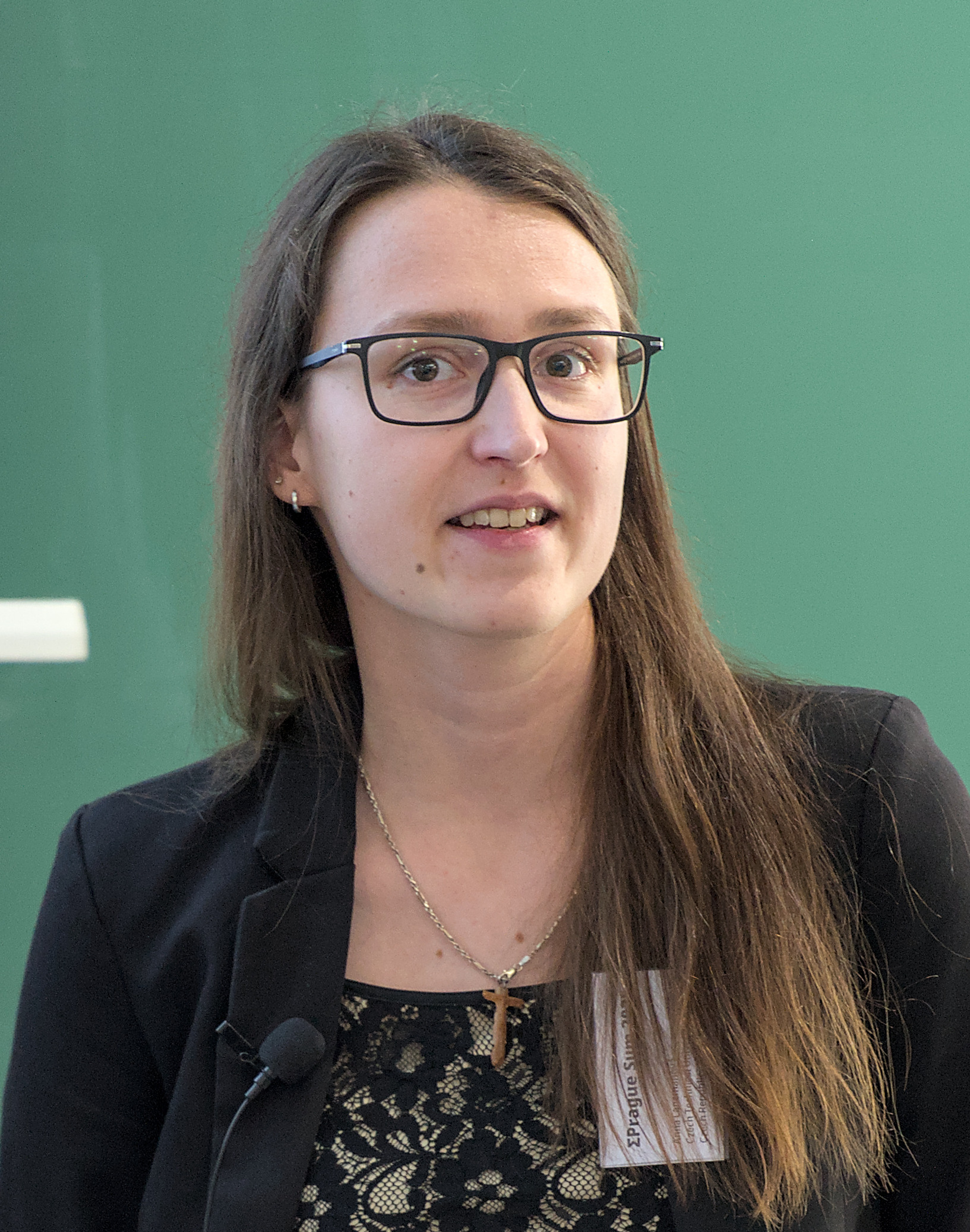 Anna Lancmanová
New computational test case for numerical simulations of ventricular assist devices
 Jack Lee
Patient-specific investigation of haemodynamics after Transcatheter Aortic Valve Implantation (TAVI)
 Keshava Rajagopal
The clinical context of mathematical modeling in the cardiovascular system
 Chandi Sasmal
Flow dynamics in a bileaflet mechanical heart valve: Effects of blood rheology, wall slip, vortex generators, and single vs multiphase simulations
 Kateřina Škardová
NN-PGD for Surrogate Modeling of PDEs on Parametrized Domains: Towards Fast Patient-Specific Simulations
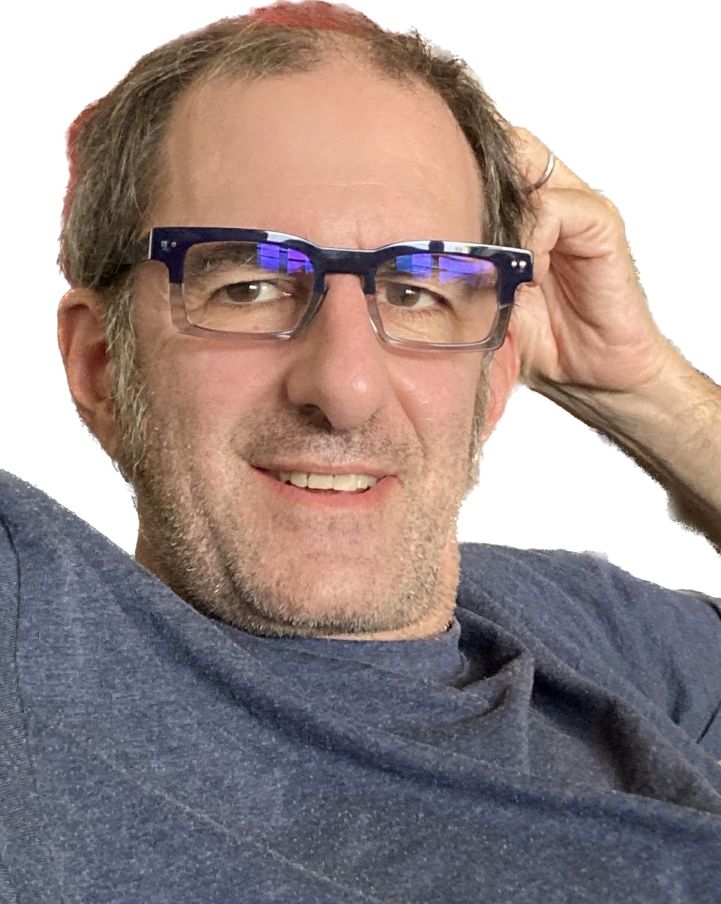 David Steinman
Brain twisters: Tornadic phenomena and flow topology in cerebral aneurysms
 Karel Tůma
Effect of Navier slip on blood–wall interaction in three-dimensional simulations of the aortic root
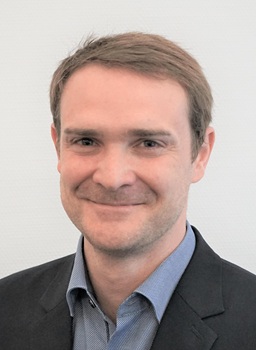 Thomas Wick
Numerical Modeling of Fluid-Structure-Growth-Concentration Interaction with Application to Prototype Plaque Growth in Blood Vessels
Schedule
| On site registration | |
|
Josef Málek: Opening |
|
|
Keshava Rajagopal: The clinical context of mathematical modeling in the cardiovascular system |
|
|
Cristóbal Bertoglio: Methods for blood flow model personalization from MRI data |
|
| Coffee Break | |
|
Oscar Camara Rey: From large-scale in-silico trials to multi-therapeutic modeling: integrating device and drug simulations for stroke prevention |
|
|
Karel Tůma: Effect of Navier slip on blood–wall interaction in three-dimensional simulations of the aortic root |
|
|
Jaroslav Hron: Evidence challenging the validity of the no-slip boundary condition: blood flow in vivo |
|
| Conference photo | |
| Lunch | |
|
Tomáš Kovárník: Coronary flow and pressure measurements: clinical impact and technical challenges |
|
|
David Steinman: Brain twisters: Tornadic phenomena and flow topology in cerebral aneurysms |
|
|
Jack Lee: Patient-specific investigation of haemodynamics after Transcatheter Aortic Valve Implantation (TAVI) |
|
|
Jana Brunátová: Effects of Blood Rheology and Partial Slip Boundary Conditions on Cerebral Aneurysm Hemodynamics |
|
|
Poster session presentations
Jan Bureš: CFD-Driven Local Geometry Optimization of Total Cavopulmonary Connection Geometries Jan Kovář: Mathematical modeling of myocardial perfusion using lattice Boltzmann method Jakub Cach: Analytical Pressure Profiles in Variable-Diameter Vessels: Accurate Predictions at Clinically Relevant Reynolds Numbers Lenka Košárková: Existence of the time-periodic weak solution for incompressible nonstationary Navier-Stokes equations in three dimensions with inflow, outflow and Navier's slip boundary condition |
|
| Posters & coffee | |
|
Departure for self-paid dinner at 18:00 from conference place.
The Pind, Korunní 1151/67 [pind.cz] [Location] 
|
|
|
Radka Kočková: Genetic Aortopathies and Structural Abnormalities of the Aortic Valve |
|
|
Chandi Sasmal: Flow dynamics in a bileaflet mechanical heart valve: Effects of blood rheology, wall slip, vortex generators, and single vs multiphase simulations |
|
|
Radek Fučík: Enhancing magnetic resonance flow measurements using the lattice Boltzmann method |
|
| Coffee Break | |
|
Štěpán Jeřábek: Measuring flow across the aortic valve: clinical challenges in patients with low gradient stenosis |
|
|
Kateřina Škardová: NN-PGD for Surrogate Modeling of PDEs on Parametrized Domains: Towards Fast Patient-Specific Simulations |
|
|
Thomas Wick: Numerical Modeling of Fluid-Structure-Growth-Concentration Interaction with Application to Prototype Plaque Growth in Blood Vessels |
|
| Lunch | |
|
Radomír Chabiniok: Biomechanical Modeling for Objective Assessment and Optimal Clinical Management: Patients with Valvular Heart Diseases and Complex Congenital Heart Diseases |
|
|
Anna Lancmanová: New computational test case for numerical simulations of ventricular assist devices |
|
|
Patrick Farrell: Helicity- and enstrophy-preserving discretisations of the incompressible Navier—Stokes equations |
|
| Coffee Break | |
| Concluding discusssion | |
|
Departure for the conference dinner at 17:15 from conference place.
U dobré myšlenky, Podskalská 27 [dobramyslenka.cz] [Location]  [our MENU]
|
|
| Discusssion |
Venue
Havlíčkovy sady, 120 00 Praha 2-Vinohrady
Czech Republic
The conference will be held in the historical Gröbe Villa in Prague.
Conference Organizers
For any questions about the symposium or sponsorship opportunities, please contact jaroslav.hron@matfyz.cuni.cz.
- Scientific committee:
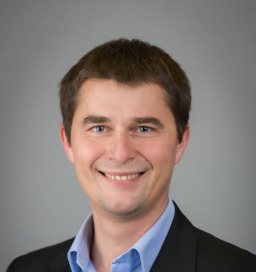 Radomír Chabiniok (UT Southwestern Medical Center)
Keshava Rajagopal (Thomas Jefferson University)
Radomír Chabiniok (UT Southwestern Medical Center)
Keshava Rajagopal (Thomas Jefferson University)
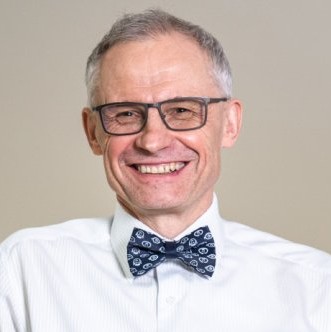 Josef Málek (Charles University)
 Karel Tůma (Charles University)
 Pavla Kučerová (Charles University)
math4cardio 2026 is made possible by these organizations and companies.